
Contributing to a Circular Society
Suppliers and Other Trade Partners, Employees, Global Environment
Basic Approach
As concerns about environmental impact and resource depletion continue to grow, the transition to a circular economy is becoming increasingly important. Companies are expected to reduce waste and make greater use of recycled and sustainable materials while using resources more efficiently.
The Sumitomo Riko Group uses both naturally derived raw materials, such as natural rubber and minerals, and petroleum-based materials, including synthetic rubber and chemicals. To help address environmental and resource-related challenges, we are working to further enhance our traditional 3R (Reduce, Reuse, Recycle) activities and advance more circular business practices to support sustainable operations.
The Sumitomo Riko Group uses both naturally derived raw materials, such as natural rubber and minerals, and petroleum-based materials, including synthetic rubber and chemicals. To help address environmental and resource-related challenges, we are working to further enhance our traditional 3R (Reduce, Reuse, Recycle) activities and advance more circular business practices to support sustainable operations.
Efforts to Reduce Waste
At Sumitomo Riko Group, we continuously strive to reduce defects and improve yield while also promoting the recovery and reuse of uncured rubber and other materials as part of our efforts to reduce waste.
Waste Generation (Excluding Valuable Materials) (Sumitomo Riko Group)
FY2025 Target: 3% reduction in waste intensity (vs. FY2022)
FY2025 Actual:
• Waste generation excluding valuable materials: -10.8%
• Waste intensity: -26.4%
FY2025 Target: 3% reduction in waste intensity (vs. FY2022)
FY2025 Actual:
• Waste generation excluding valuable materials: -10.8%
• Waste intensity: -26.4%
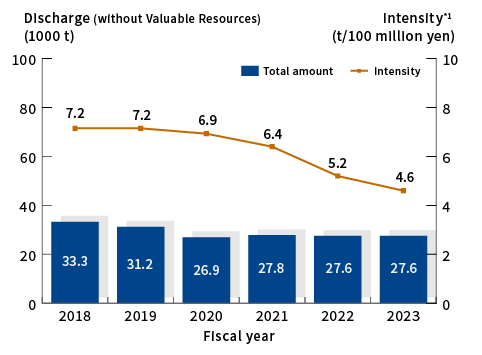
*The denominator used for the intensity calculation is net sales within the reporting boundary, excluding intercompany transactions.
Waste Reduction Example
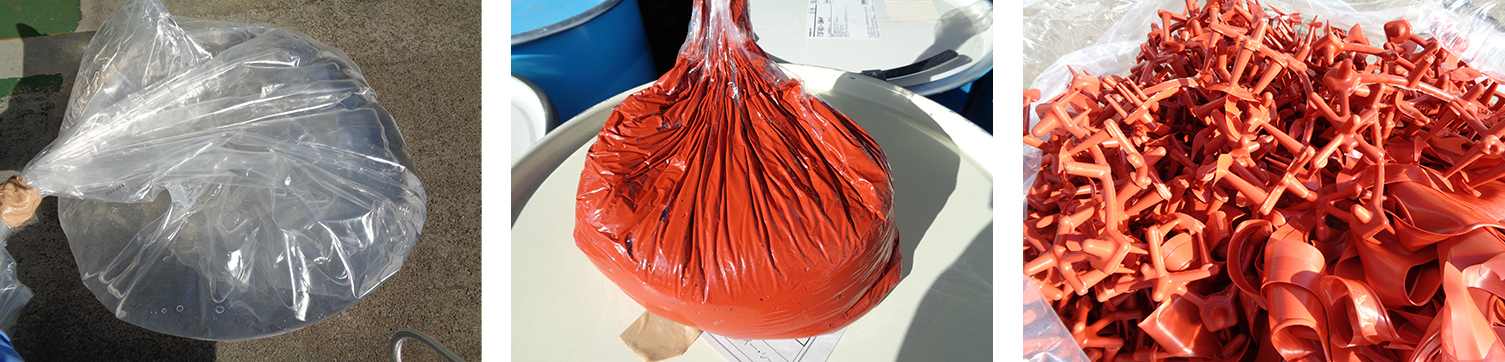
At the Komaki Plant of Sumitomo Riko, silicone rubber waste generated during the production of products such as muffler hangers had traditionally been disposed of as industrial waste. By securing a recycling outlet for this material and treating it as a valuable resource, we were able to reduce both the amount of waste requiring disposal and associated disposal costs.
(Waste reduction: 30 tons/year; Disposal cost reduction: JPY 950,000/year)
Efforts to Reuse Items
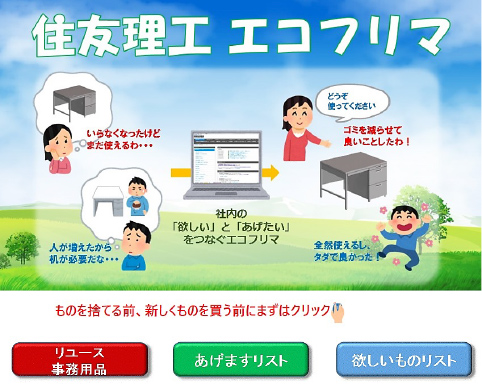
In 2022, Sumitomo Riko launched an internal exchange platform called the Sumitomo Riko Eco Flea Market to facilitate the reuse of surplus office supplies, equipment, and tools.
Based on the Japanese concept of mottainai, which encourages making the most of valuable resources and avoiding waste, this initiative helps reduce waste and improve resource efficiency. By enabling items that are no longer needed in one department to be reused by other departments or group companies, it also helps reduce procurement costs.
(FY2025: 193 items exchanged)
Based on the Japanese concept of mottainai, which encourages making the most of valuable resources and avoiding waste, this initiative helps reduce waste and improve resource efficiency. By enabling items that are no longer needed in one department to be reused by other departments or group companies, it also helps reduce procurement costs.
(FY2025: 193 items exchanged)
Efforts to Recycle Waste
Sumitomo Riko is working to promote circular use of materials such as rubber, resin, and urethane through the recycling of production waste. As part of this initiative, we are partnering with biotechnology company LanzaTech to research and develop innovative technologies that convert waste into new rubber raw materials.
Related Information
Office Paper Recycling Example
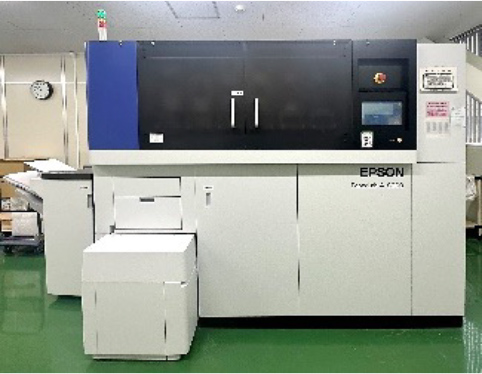
Since 2017, Sumitomo Riko has utilized PaperLab, an in-office dry papermaking system, to reduce environmental impact and enhance document security.
This innovative system enables us to produce recycled paper from used paper, ensuring the secure handling of confidential documents while making effective use of paper resources. In addition, the system helps reduce environmental impact by lowering the use of wood resources, CO2 emissions, and water consumption compared with conventional copy paper. The recycled paper is used for business cards and notepads and is also donated to local municipalities, schools, and community organizations, demonstrating our commitment to supporting local communities.
These initiatives are carried out by SumiRiko Joyful Co., Ltd.*1, which provides employment opportunities for individuals with disabilities.
This innovative system enables us to produce recycled paper from used paper, ensuring the secure handling of confidential documents while making effective use of paper resources. In addition, the system helps reduce environmental impact by lowering the use of wood resources, CO2 emissions, and water consumption compared with conventional copy paper. The recycled paper is used for business cards and notepads and is also donated to local municipalities, schools, and community organizations, demonstrating our commitment to supporting local communities.
These initiatives are carried out by SumiRiko Joyful Co., Ltd.*1, which provides employment opportunities for individuals with disabilities.

*1 SumiRiko Joyful Company Limited: A special subsidiary established in November 2013 to promote the employment of people with disabilities and contribute to society.
*2 Calculated by Epson based on the number of recycled paper produced by Sumitomo Riko.
*2 Calculated by Epson based on the number of recycled paper produced by Sumitomo Riko.
Related Information
Related Information
Efforts to Expand the Use of Sustainable Materials
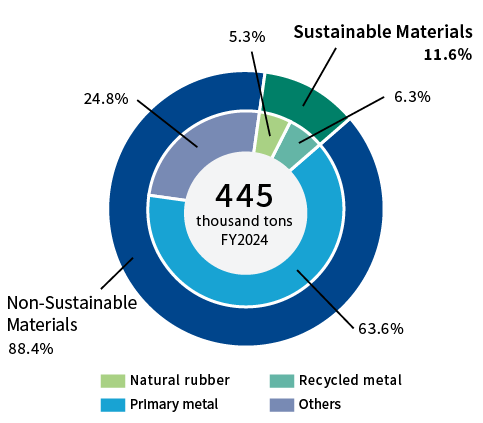
At the Sumitomo Riko Group, we define sustainable materials as materials containing a combined total of at least 25% recycled and biomass-based content. To promote their use, we began assessing current usage and identifying suitable materials for wider adoption in 2024.
Sustainable Material Ratio (Sumitomo Riko Group)
2029V Target: Sustainable material ratio of 20% or more
FY2025 Actual: 11.2%
2029V Target: Sustainable material ratio of 20% or more
FY2025 Actual: 11.2%
Future Issues and Responses
While waste management regulations and disposal practices vary from country to country, the Sumitomo Riko Group is committed to making effective use of resources. Specifically, we work to reduce waste generated in our production processes through 3R (Reduce, Reuse, Recycle) activities while minimizing incineration and landfill disposal. We also promote the effective use of natural resources through energy recovery from waste and the development of biochemical recycling technologies. In addition, to advance resource circulation, we are promoting the use of renewable materials and designing products and manufacturing processes that facilitate material separation and sorting. Through these efforts, we aim to support the transition to a circular economy.
